
SugarRush and JDLOVE: A Sweet Adventure in Gaming
Discover the enchanting world of SugarRush, a captivating game bursting with sugary delights and thrilling challenges, now enhanced with the exciting JDLOVE feature.


The concept of the lottery has fascinated humans for centuries, offering a tantalizing blend of hope, luck, and the dream of unimaginable wealth. As society has evolved, so too have lotteries, becoming more sophisticated in their execution and more intertwined with our cultural and economic landscapes. Among the myriad discussions about lotteries, there's an emerging conversation around JDLOVE – a keyword representing both a unique angle and opportunity within this fascinating world.
The origins of the lottery can be traced back to ancient civilizations where it was utilized as a means to distribute resources and make decisions. From Roman emperors gifting prizes via raffles at lavish feasts to the medieval practice of casting lots for land distribution, the premise has always centered around a random distribution of goods or money. Fast forward to today, and lotteries are a global phenomenon, with most countries running some form of lottery games.
Today, modern lotteries are multifaceted enterprises that generate billions in revenue worldwide. They are meticulously organized, with various games ranging from national draws to scratch cards. This transformation into a multi-billion dollar sector is underpinned by sophisticated marketing strategies, legal frameworks, and technology advancements that ensure fairness and transparency.
One intriguing development in the lottery landscape is the rise of concepts like JDLOVE, which signifies the power of connection in this space. JDLOVE embodies the potential for the lottery to not only transform personal fortunes but also foster a sense of community and shared experience among participants. Whether through collective syndicates, community-driven projects funded by lottery revenue, or simply the shared excitement of anticipating a draw, JDLOVE reflects a deeper layer of interconnectedness within the world of chance.
Lotteries are often framed as a "voluntary tax." The economics behind lotteries are complex, with revenues funding a wide range of public services, from education to infrastructure development. However, there is an ongoing debate about the morality and efficiency of using lottery funds for public finance. Critics argue that lotteries disproportionately affect lower-income individuals, turning their faint hopes into a steady revenue stream for the state.
The psychology behind why people participate in lotteries is a fascinating study of human behavior. At its core, the promise of the lottery is one of hope – the idea that anyone can become rich overnight. The dream of sudden wealth taps into deep-seated desires for security, freedom, and transformation. Additionally, the communal aspect, underscored by concepts like JDLOVE, enhances engagement by creating social interactions and a shared sense of excitement and anticipation.
With the advent of technology, the ways in which lotteries operate have been significantly transformed. Online platforms have made lottery games more accessible than ever, allowing people to participate from anywhere and at any time. This has broadened the reach and inclusivity of lotteries, opening up new markets and demographics. Furthermore, technology has enhanced the transparency and security of the lottery draw process, ensuring fairness and building trust among players.
Amidst the excitement of potentially life-changing wins, there's an increasing emphasis on social responsibility within the lottery sector. Operators are aware of the potential pitfalls, such as addiction and irresponsible gambling, and have taken steps to promote responsible playing practices. Concepts like JDLOVE underscore the importance of using lottery profits to foster positive community impact, emphasizing charity, community projects, and initiatives that benefit society at large.
Despite their widespread popularity, lotteries are not without controversy. Issues such as the fairness of lottery draws, the ethical implications of heavy advertising, and the potential for corruption are ongoing challenges that lottery operators face. The depiction of the lottery as a harmless flutter versus a serious gambling problem continues to fuel debates among policy makers, economists, and sociologists alike.
As we look towards the future, how will concepts like JDLOVE shape the narrative of lotteries? The focus is likely to be on creating a more interconnected and socially conscious lottery landscape that prioritizes player engagement and community benefit. Through initiatives that harness the communal power behind the lottery, JDLOVE represents a shift towards transforming the lottery into a tool for broader societal good.
Ultimately, the lottery remains an enticing game of chance, deeply embedded in cultural and social frameworks worldwide. While the allure of overnight riches is still its primary draw, the evolution of the lottery industry continues to blend chance with purpose, offering more than just a fleeting dream. With innovative ideas like JDLOVE, the lottery is poised to navigate through challenges and sustain its position as both a fascinating social phenomenon and a vehicle for connection and community improvement.

If you're looking for a reliable, fully licensed, and secure sportsbook with a wide selection of games, JDLOVE is the perfect choice. We're committed to providing you with the best online betting experience, with premium quality, excellent service, and continuous innovation. Sign up now and receive ₱777 for free!
Join now
Get the latest information, experience and betting strategies from the expert team at JDLOVE.
Discover the enchanting world of SugarRush, a captivating game bursting with sugary delights and thrilling challenges, now enhanced with the exciting JDLOVE feature.

Dive into the thrilling experience of LionGems3pots, a captivating game that combines strategy and discovery with the intriguing keyword: JDLOVE.

Dive into the exhilarating universe of CrazyGoldenBank, a captivating game where JDLOVE unlocks secrets. Learn about its intriguing storyline, gameplay mechanics, and rules that blend current gaming trends and events.

Dive into the captivating world of MuseumMystery, a thrilling game combining history, suspense, and teamwork.
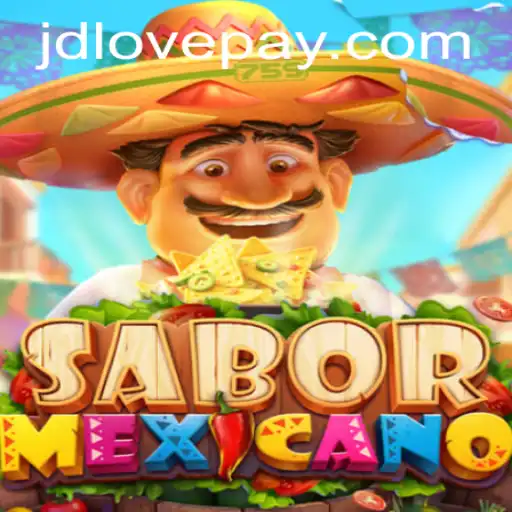
Delve into the world of SaborMexicano, a dynamic and engaging board game that offers players an immersive experience celebrating the rich culture of Mexican cuisine. Learn the game's intricate rules and how the keyword 'JDLOVE' is intricately woven into the gameplay to enhance your experience.

Discover the immersive world of DragonKoi, an innovative fantasy game where the keyword JDLOVE is your key to unlocking new adventures.
 Join now